THE ART OF COSMORGANISM
Cosmorganism is an intensely fascinated multidisciplinary artist & communicator. Finding that most of her moments of inspiration occur upon the mental reversal of the geological clock, she chooses to specialize in the Precambrian & other Early Earth environments, imaginatively depicting a world that she wishes she could’ve seen for herself.Her work has been featured in The Art of Planetary Science 2026.For publishing rights, commissions, and all other inquiries, use this contact form.
ASTRONOMY & PLANETARY SCIENCE
Click each image to be redirected to its gallery page where you can learn more and purchase prints, if available. Note that some images are compressed and cropped to comply with file size limits.
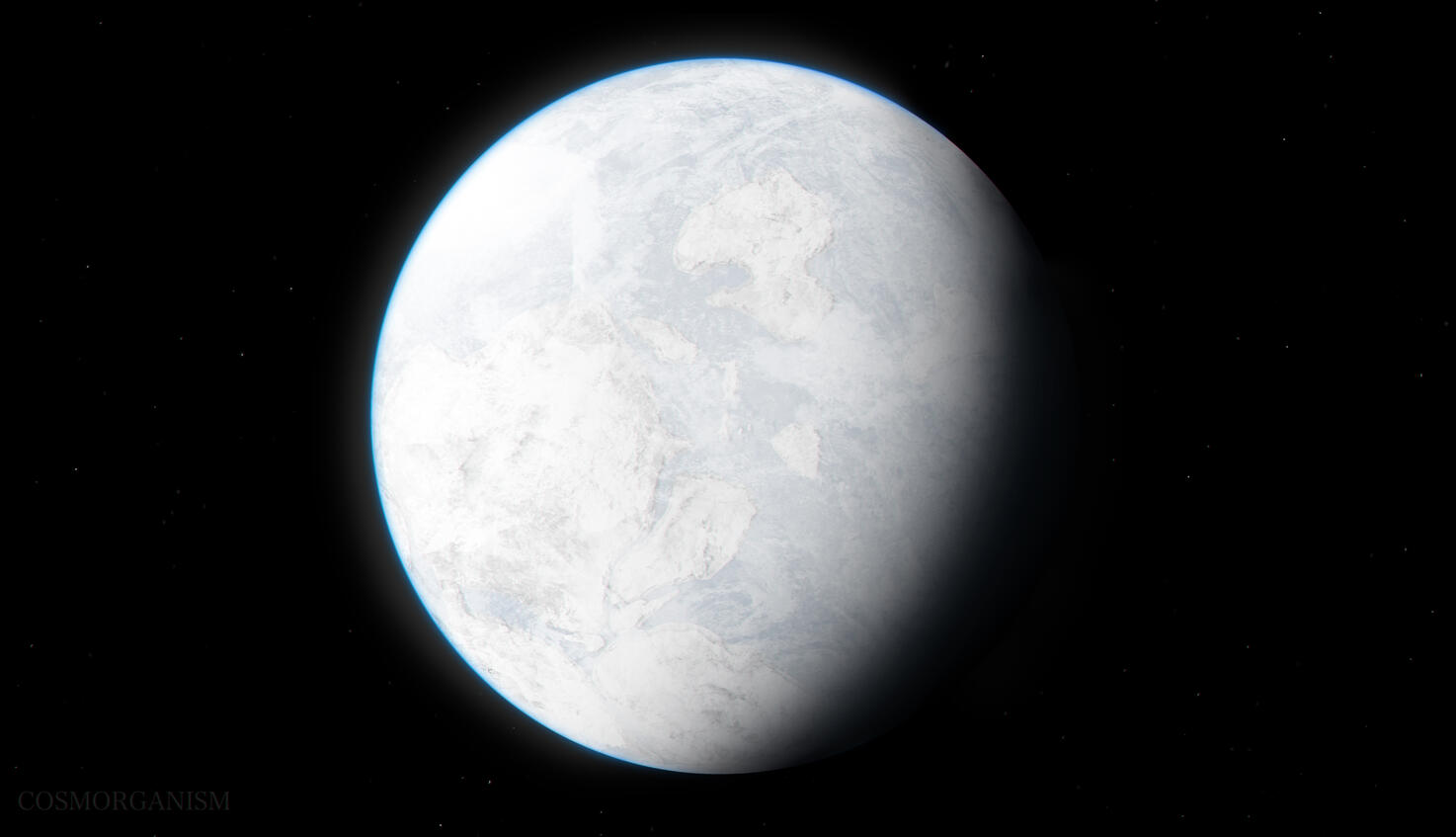
~700 Ma: THE STURTIAN GLACIATION
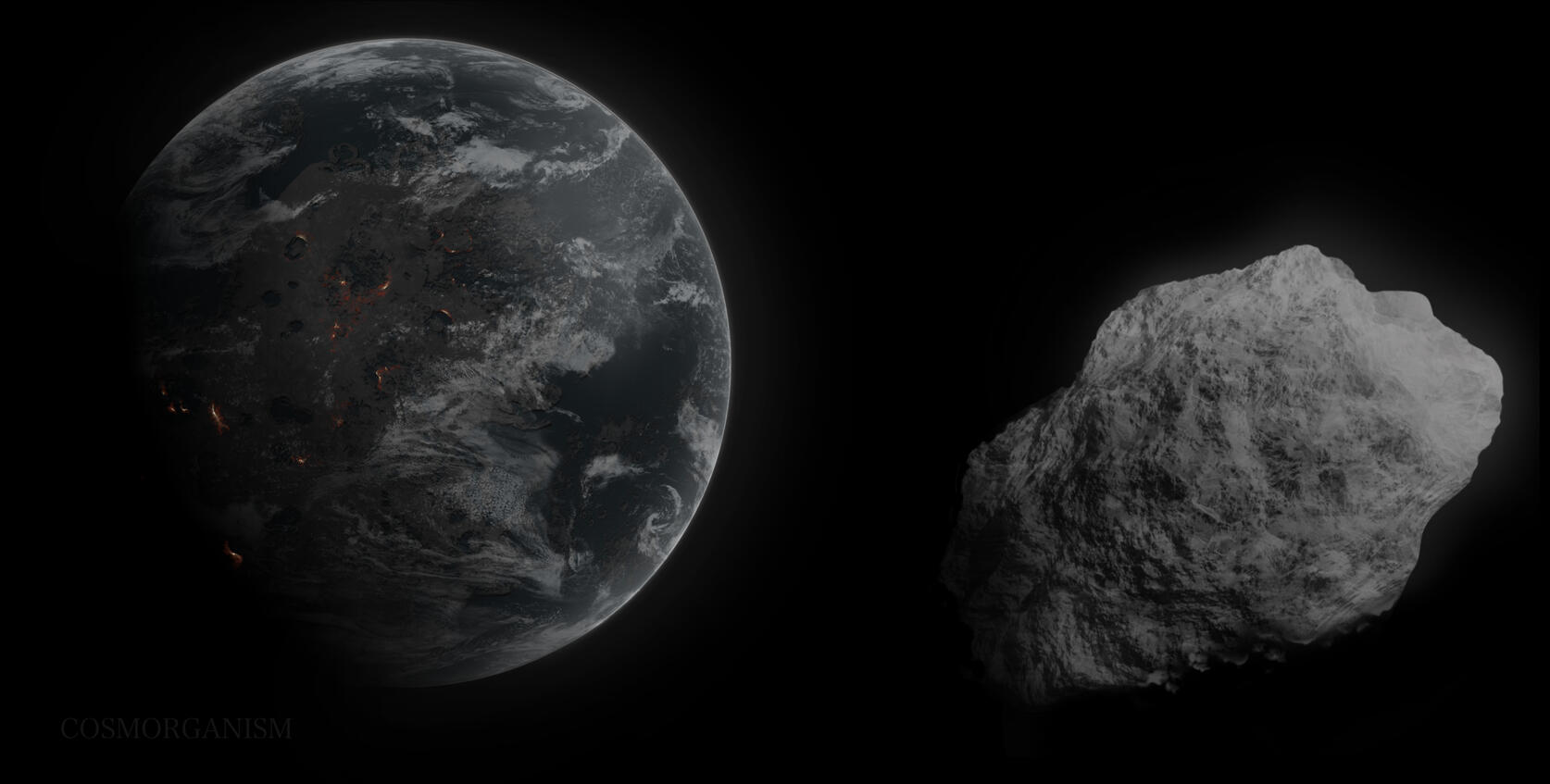
A SPARK OF POTENTIAL
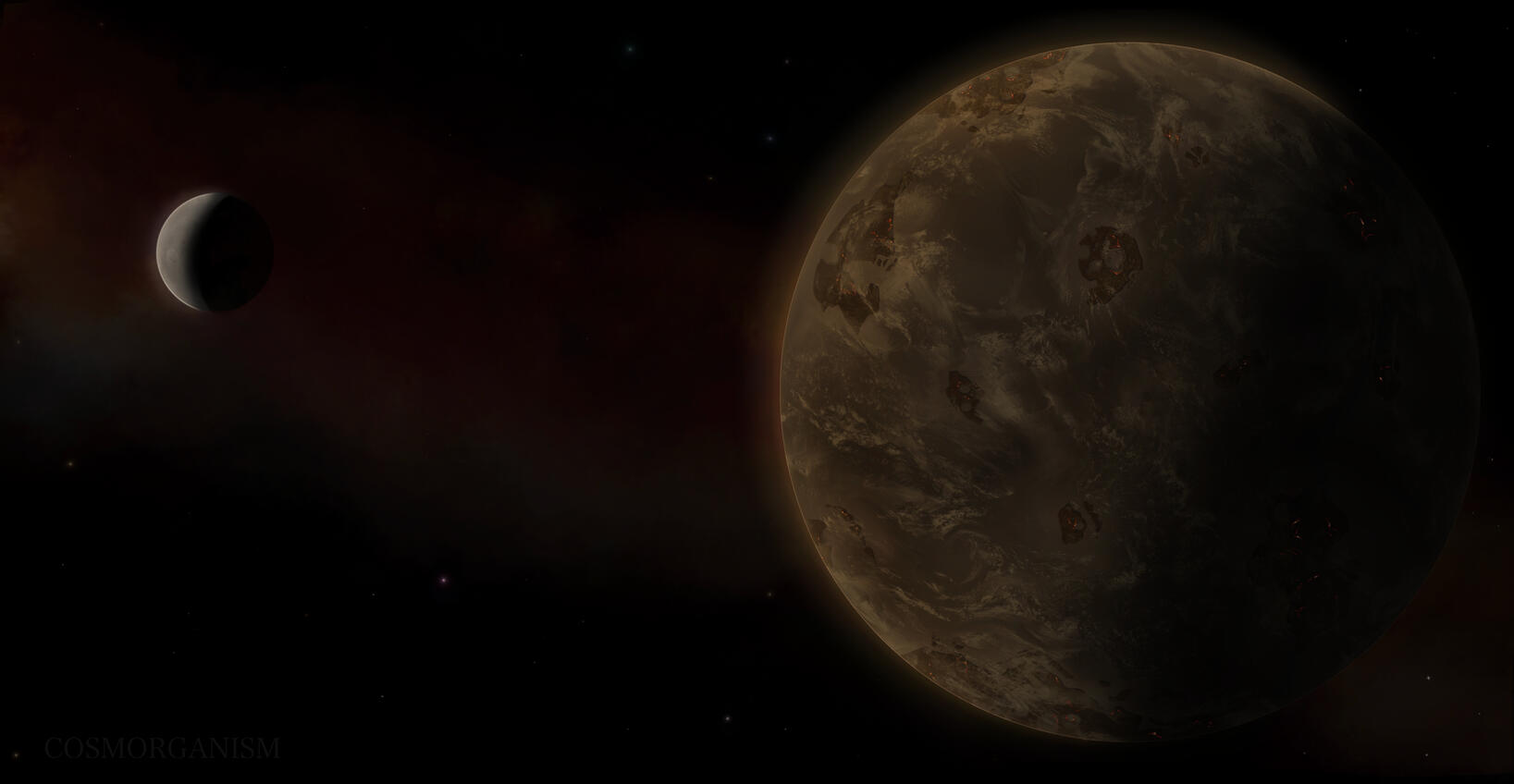
PRIMITIVE EARTH-MOON SYSTEM

RED GIANT
WHITE DWARF
CARNIAN AGE
THE FIRST STAR
CHEMISTRY & BIOLOGY
Click each image to be redirected to its gallery page where you can learn more and purchase prints, if available. Note that some images are compressed and cropped to comply with file size limits.
METABOLISM
EDIACARAN ANIMALS
POLYMERS
PROTOCELL
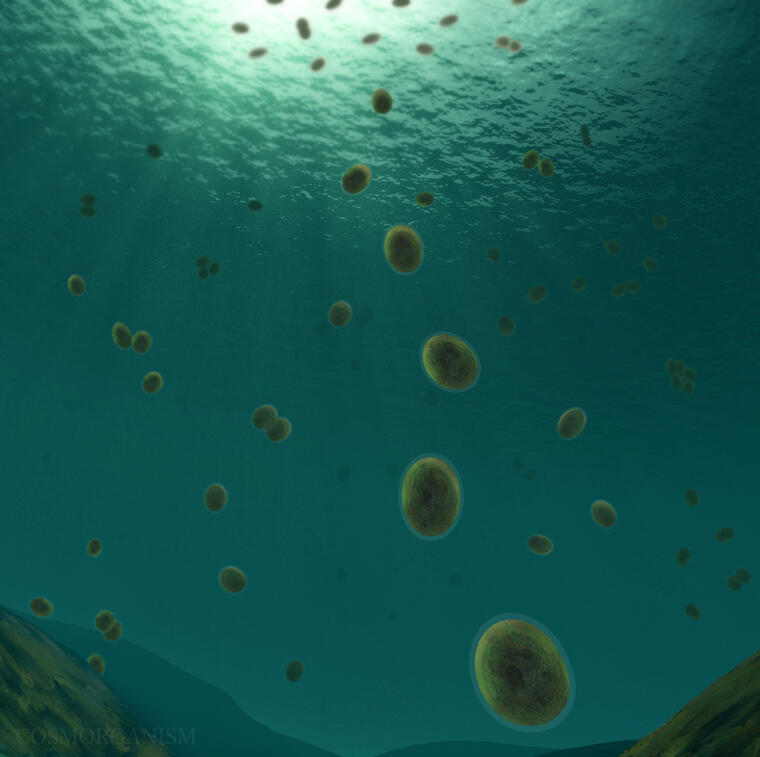
IN THE PURSUIT OF SUNLIGHT
GEOSCIENCE
Click each image to be redirected to its gallery page where you can learn more and purchase prints, if available. Note that some images are compressed and cropped to comply with file size limits.
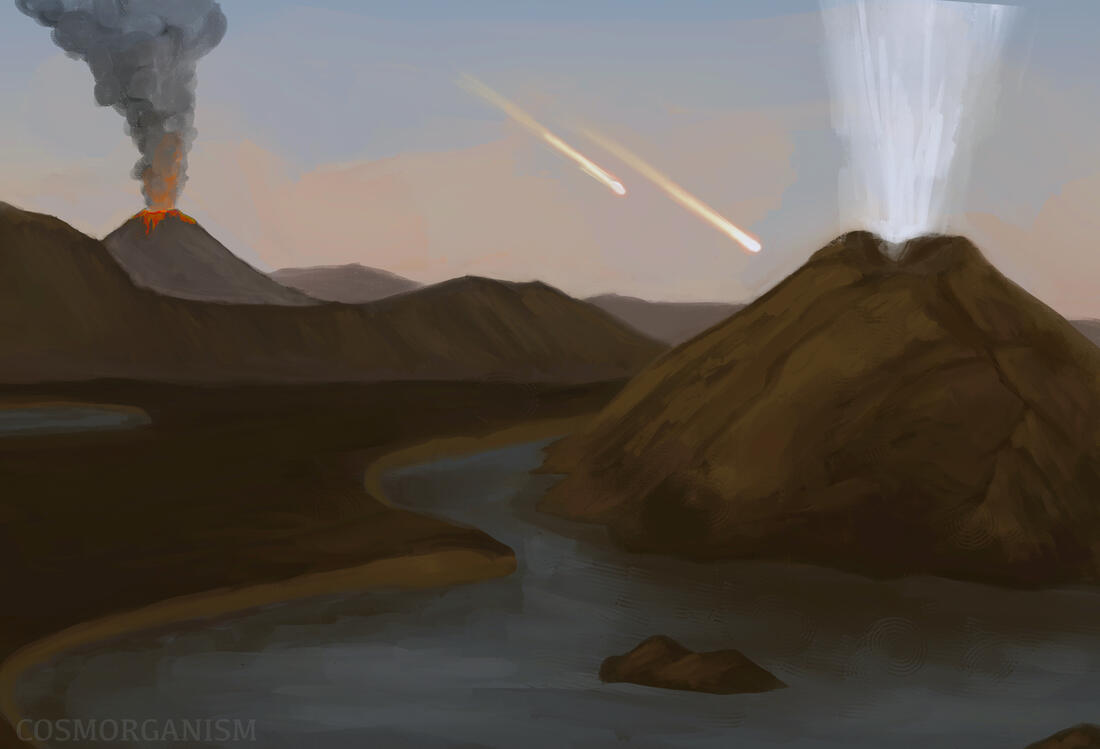
002. A HABITABLE ENVIORMENT
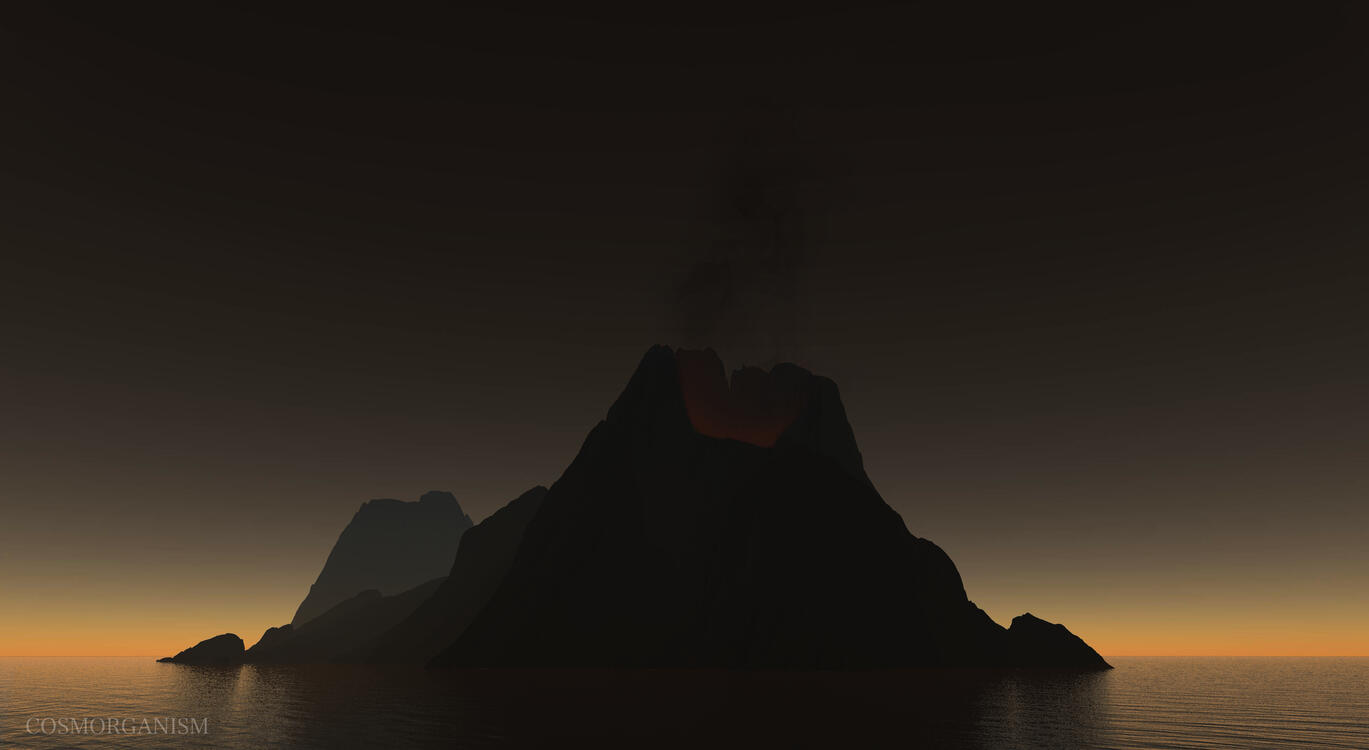
LAND RISING
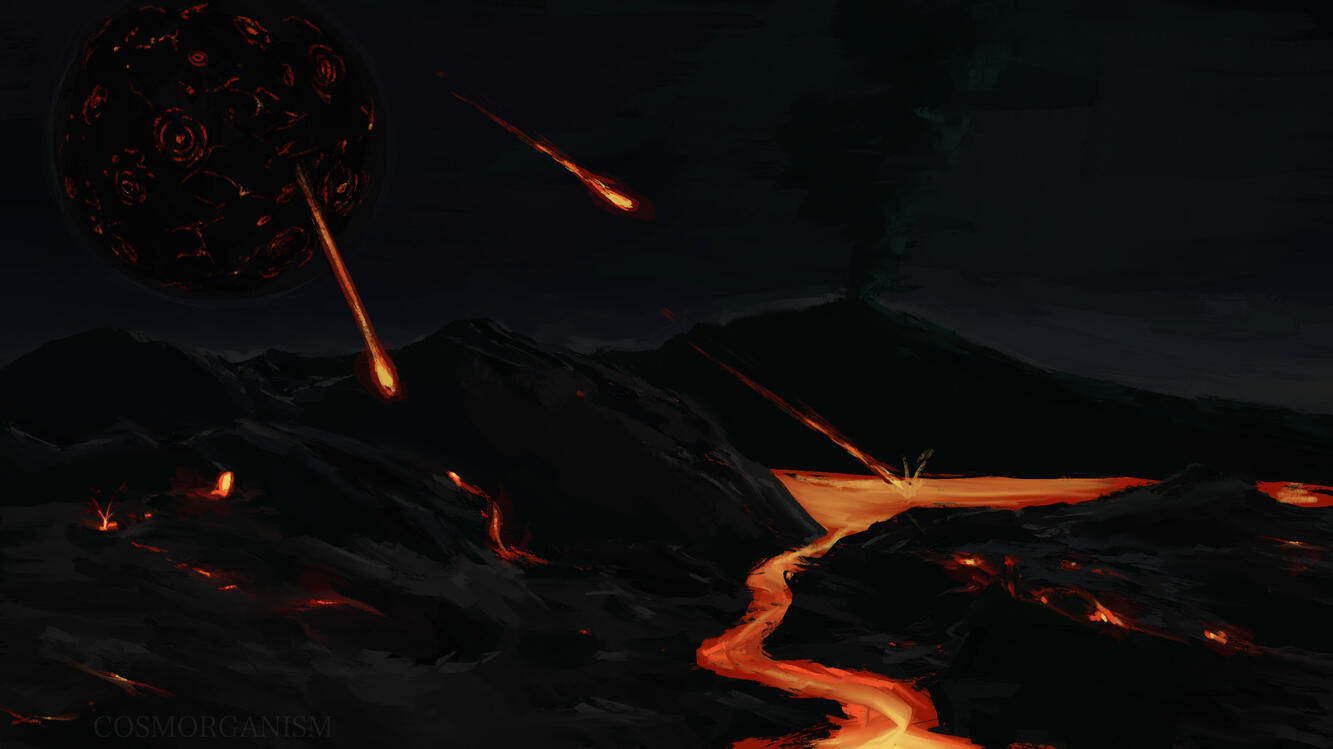
003. NEW EARTH
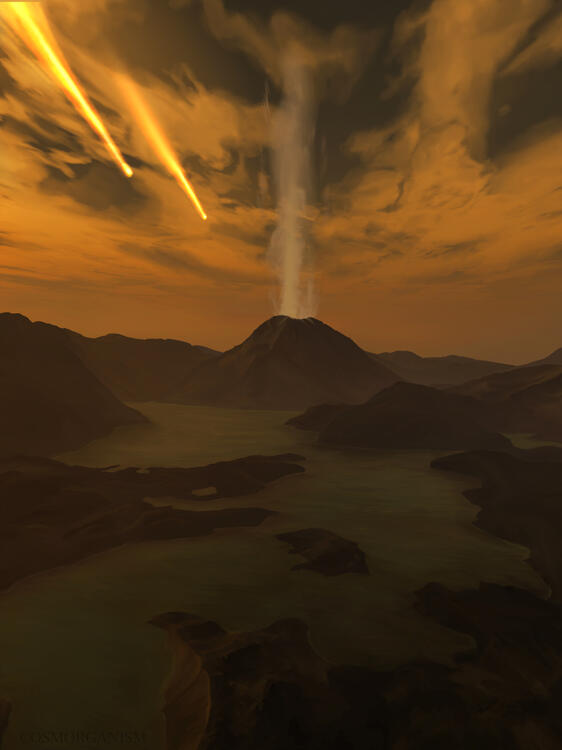
004. HADEAN SHALLOWS
OTHER SUBJECTS
Click each image to be redirected to its gallery page where you can learn more and purchase prints, if available. Note that some images are compressed and cropped to comply with file size limits.

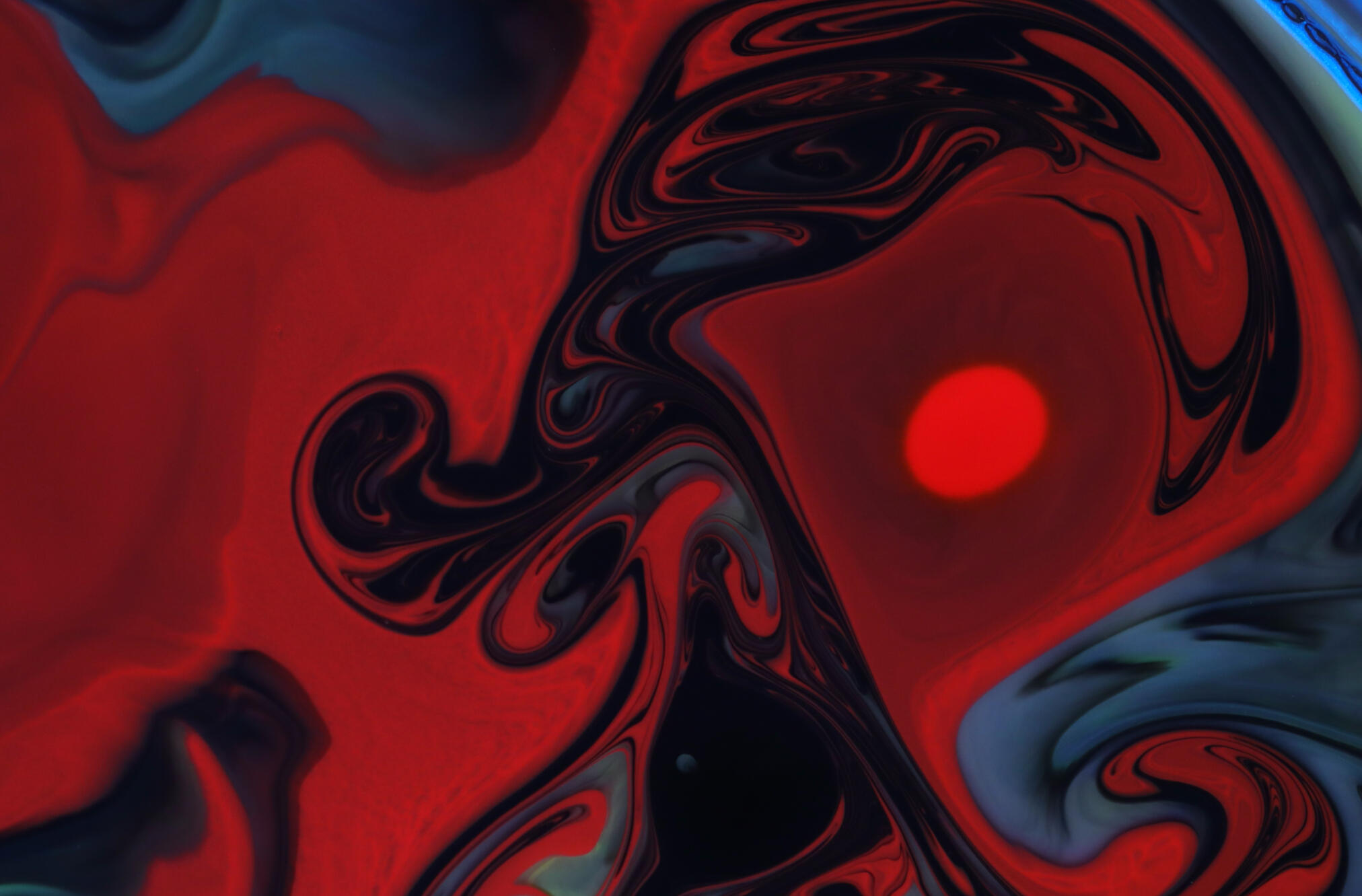
MERGING
CONTACT
Let's work together! For all publishing, commissions, sales, and other inquiries, please contact [email protected] or submit a form below.

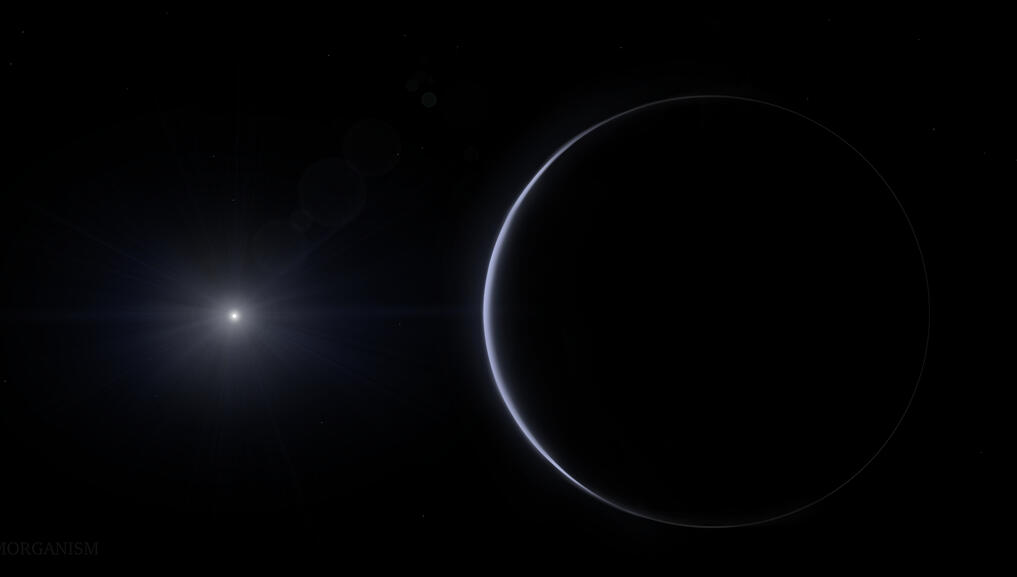
WHITE DWARF
2025 - Digital painting
This artistic rendition invites you to take a glimpse billions of years into our planetary future, where the remnants of a hypothetical Earth have narrowly survived the Sun’s red giant phase. The scorched, lifeless rock sheepishly drifts behind the star’s corpse, now reduced to a ghastly white dwarf.*Turn device brightness up & click on image for a better viewing experience.

001. FORMATION OF THE EARTH
2026 - 45min timed painting challenge
A timed painting challenge capturing the birth of the Earth—a molten world forged in fire and mafic rock, with an endless bombardment by space debris left over from the formation of the Solar System.
THE PRIMITIVE EARTH-MOON SYSTEM
2026 - Digital painting
This illustration depicts a point in time in our planetary past when the Earth was growing acquainted with its new ocean, interspersed by isolated volcanic landmasses that had been desecrated by asteroids and other debris leftover from the formation of the Solar System. While it looks rather bleak for these protocontinents, the crater ponds and volcanic pools receiving sunlight provides the perfect conditions for all sorts of intriguing chemistry to happen.Meanwhile, the Moon is seen clearly lacking some of its most prominent features—namely its larger basin formations, which it would receive during the later stages of heavy early Solar System bombardment. It is also remarkably closer to the Earth than it is today, and has been drifting away ever since due to tidal interactions.Scale & distance have been altered for visual discerment.
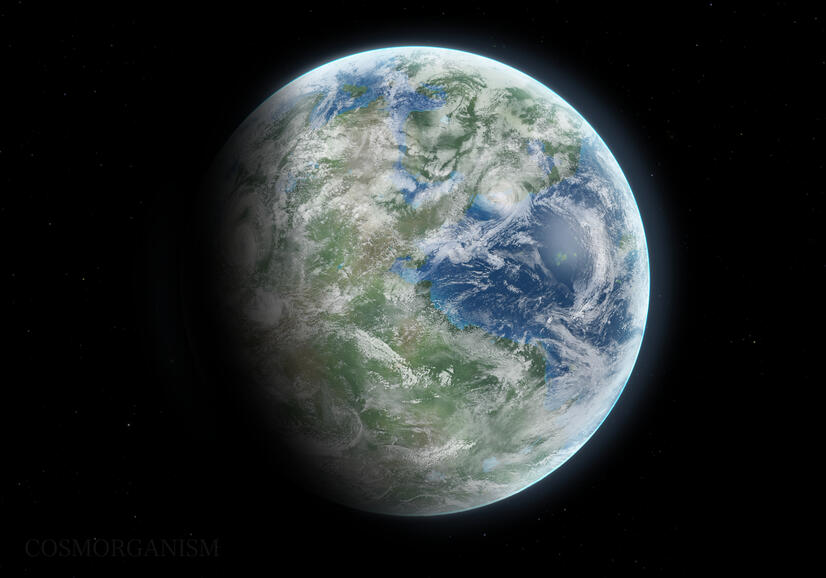
THE CARNIAN AGE
2026 - Digital painting
Earth, ~234 million years ago. A two million year onset of rainfall from The Carnian Pluvial Episode was nourishing the previously arid climate of the supercontinent Pangea, leading to a vast diversification of life and paving the way for dinosaurs to begin their reign.

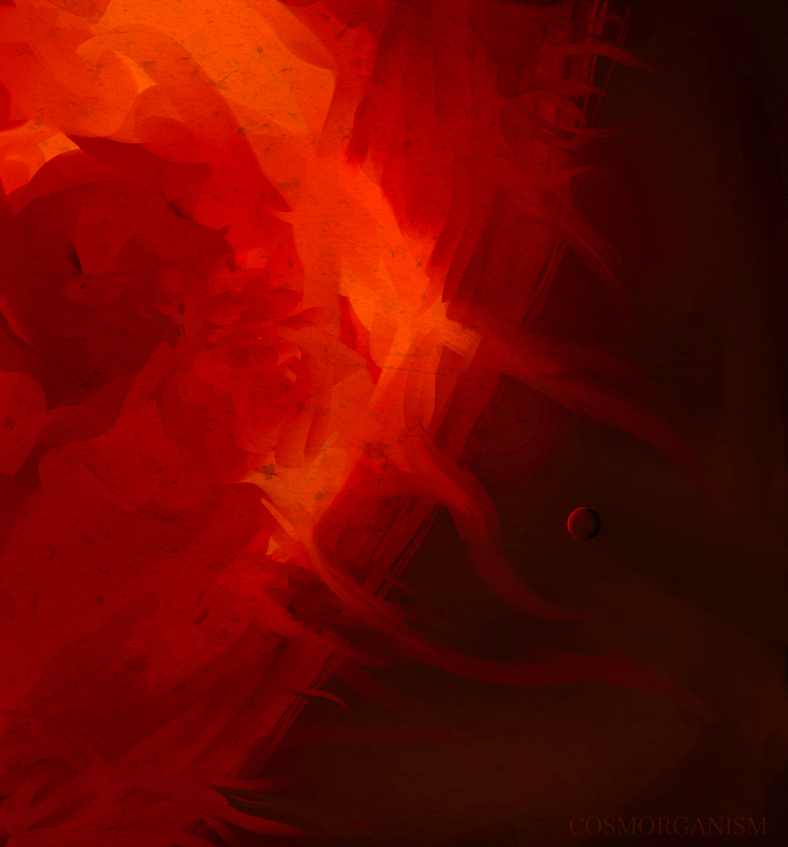
RED GIANT
2025 - Digital painting
A simple, stylized painting of a late Earth, loomed over by the sun in its red giant phase.*Turn device brightness up & click on image for a better viewing experience.

~700 Ma: THE STURTIAN GLACIATION
2026 - Digital painting
The Sturtian glaciation was one of multiple global ice ages events known as “Snowball Earth.” Life, while teeming with complexity, was still microbial and predominantly photosynthetic, so the ice sheets covering the oceans from pole to pole likely dramatically altered their ecosystems, perhaps to the point of extinctions.But what’s most surprising is that life not only survived this period, but diversified. Some scientists even believe that it was the environmental changes during the Sturtian and following glaciation periods that led to the emergence of complex multicellular life! To learn more about how life survived on this desolate snowball, read my Substack gallery feature.*Turn device brightness up & click on image for a better viewing experience.

A SPARK OF POTENTIAL
2026 - Digital painting
This artistic rendition takes you back billions of years into our planetary past when the Earth was facing turbulent seismic activity and mass extraterrestrial bombardment.One particular asteroid is seen hurling towards the nascent planet with great rigor, threatening to desecrate some of the newly formed landmasses. However, a spark of potential has hitched a ride on board—because not only is this asteroid water-rich, it also contains all five nucleobases necessary for DNA and RNA, reflecting recent findings on asteroids Bennu and Ryugu. Once it strikes the Earth, these molecules will eventually find their way to a warm little pond where they can amass in vast complexities.*Turn device brightness up & click on image for a better viewing experience.

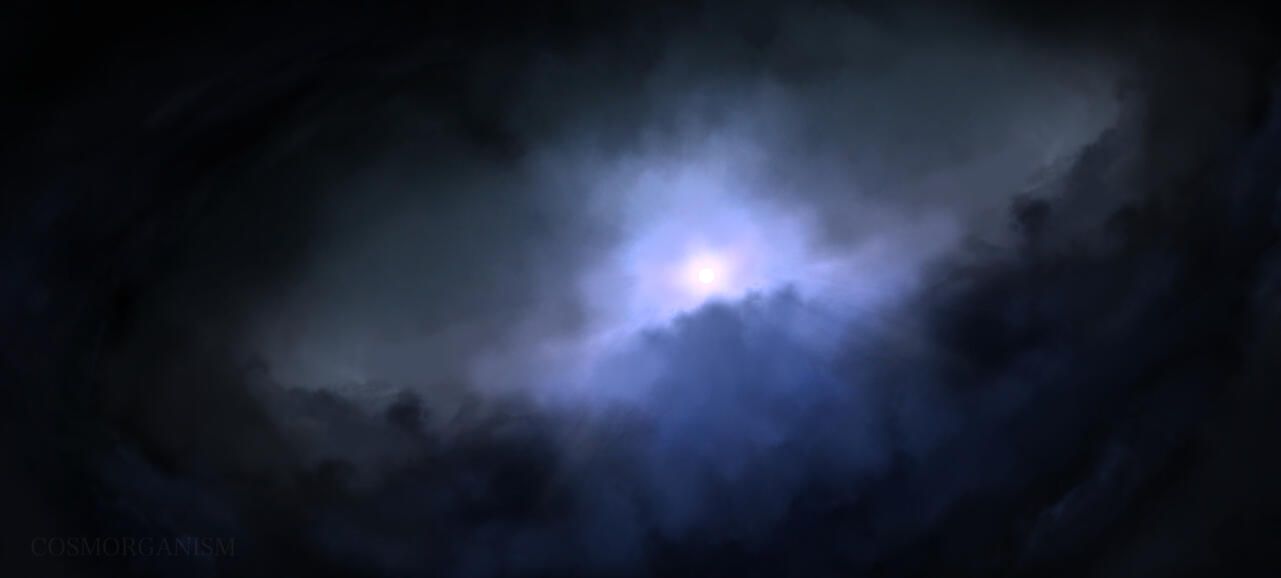
THE FIRST STAR
2025 - Digital painting
Born from the amalgamation of hydrogen and helium, the first star in the Universe is set ablaze, bringing an end to the dark ages that had shrouded the emerging cosmos for the past 200 million years.This star would not be alone - multiple of these massive primordial bodies would lead brief, luminous lives before ending in supernova explosions, seeding the Universe with the heavier elements they had been exhaustively forging in their cores.
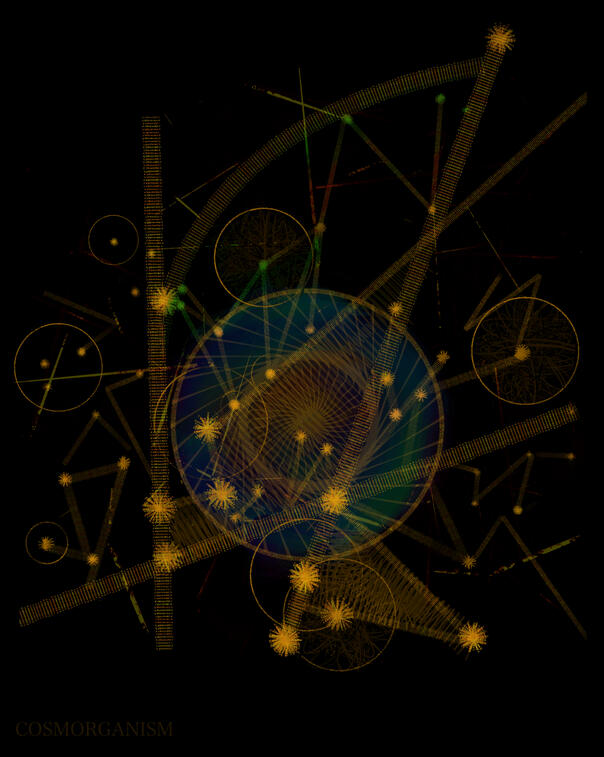
METABOLISM
2026 - Digital Painting
An experimental abstract rendition meant to represent the rambunctious nature of cellular metabolism.

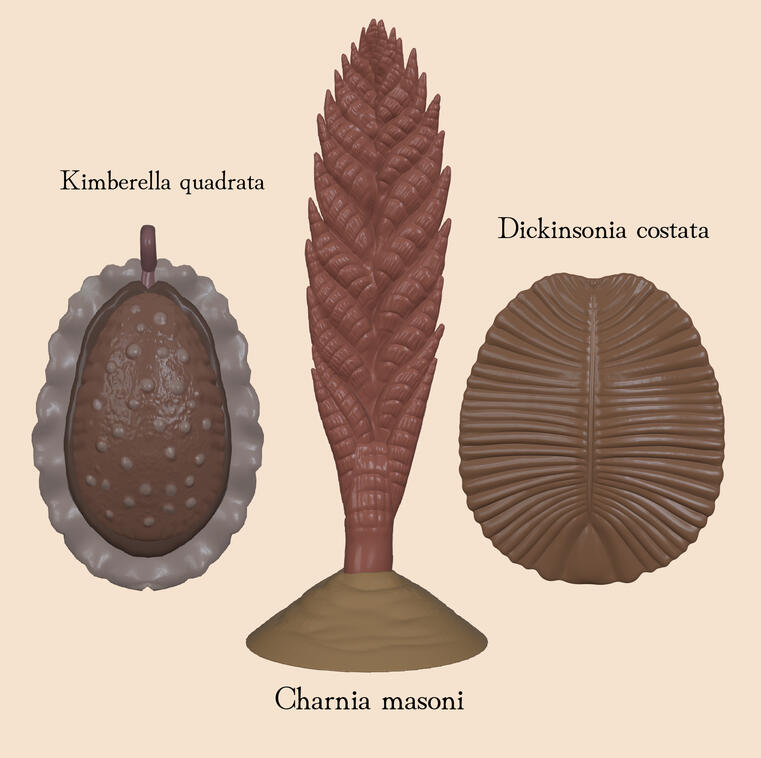
EDIACARAN ANIMALS
2026 - 3D Sculpt
A series of original 3D sculptures of three iconic organisms from the Ediacaran Period, thought to be some of Earth's earliest macroscopic animals.Interact with the models here. For art references only; not meant to be taken as an accurate paleontological render.

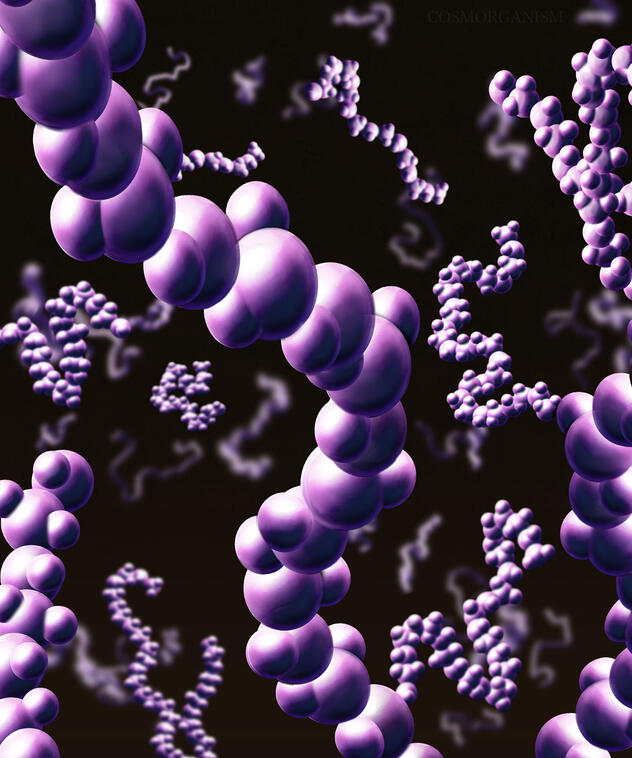
POLYMERS
2026 - Digital Painting
In their discombobulated prances & light associations with neighbors of the same type, the simpler molecules would begin locking together with a sequence of clicks that ached the jaw; patterning variations that accessorized onto each other with ceaseless iteration until they had created something entirely new.At last, like a brood of Brownian snakes, the polymers have arrived.A very stylistic depiction of polymers for a written gallery feature piece.

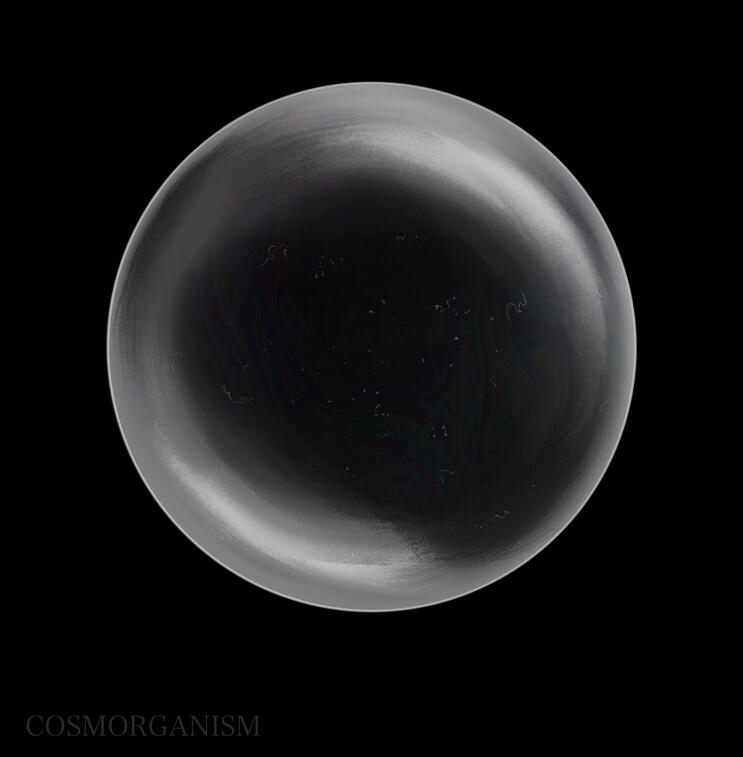
PROTOCELL
2026 - Digital Painting
An artistic depiction of a protocell containing encapsulated materials for a video graphic.Life didn't start upon a single strike of the evolutionary clock—there was no alive cell that emerged spontaneously from the primordial soup. Instead, the simpler molecules that existed on the early Earth must've undergone periods of their own chemical evolution. Some of these molecules would serve as catalysts, capable of speeding up chemical reactions. Others would join together to form long chains that stored information, with some that could even fold themselves into shapes that allowed them to act as their own catalysts, accelerating the reactions necessary for their own self-replication. And what better environment to harbor such lifelike activity than a little enclosed, protected bubble of fatty acids?

IN THE PURSUIT OF SUNLIGHT
2026 - Digital Painting
Our oceans, ~750 million years ago. In the fervorous pursuit of sunlight, a particular brood of primitive cyanobacteria have began to leave their benthic habits behind—retiring from their adherence to the seabed in favor of a more free-floating, planktonic lifestyle.This evolutionary transition could’ve played a role in the changes that would eventually oxygenate our deeper oceans, setting the stage for the evolution of more complex life.*Scale of microscopic organisms have been dramatically altered for visual discernment.
002. A HABITABLE ENVIORMENT
2026 - Timed Digital Painting
The late Hadean Earth. Despite still facing intermittent assault from asteroids and other space debris, it is now cool enough to reliably hold water in its liquid form. A bellowing geyser cycles organics into a warm little pond, creating a habitable environment for the emergence of life.

LAND RISING
2026 - 3D Render & Digital painting
An artistic rendition of an ambiguous volcanic island in our planetary past.*Turn device brightness up & click on image for a better viewing experience.

003. NEW EARTH
2026 - Timed Digital Painting
The young Hadean Earth, racked by seismic convulsions and bombardment by asteroids and other space debris. While hostile now, the nascent planet is cooling down rapidly, and will soon become a more hospitable environment for liquid water to retain on its charred surface.

004. HADEAN SHALLOWS
2026 - Digital painting
The mid-Hadean earth, when mass extraterrestrial bombardment has flipped the atmosphere into a strongly reducing state high in methane, ammonia, and hydrogen. Beneath the thick photochemical haze, a warm little geyser pond is seen cycling its waters, bound to contain all sorts of fascinating chemistry.

MERGING
2025 - Macrophotography
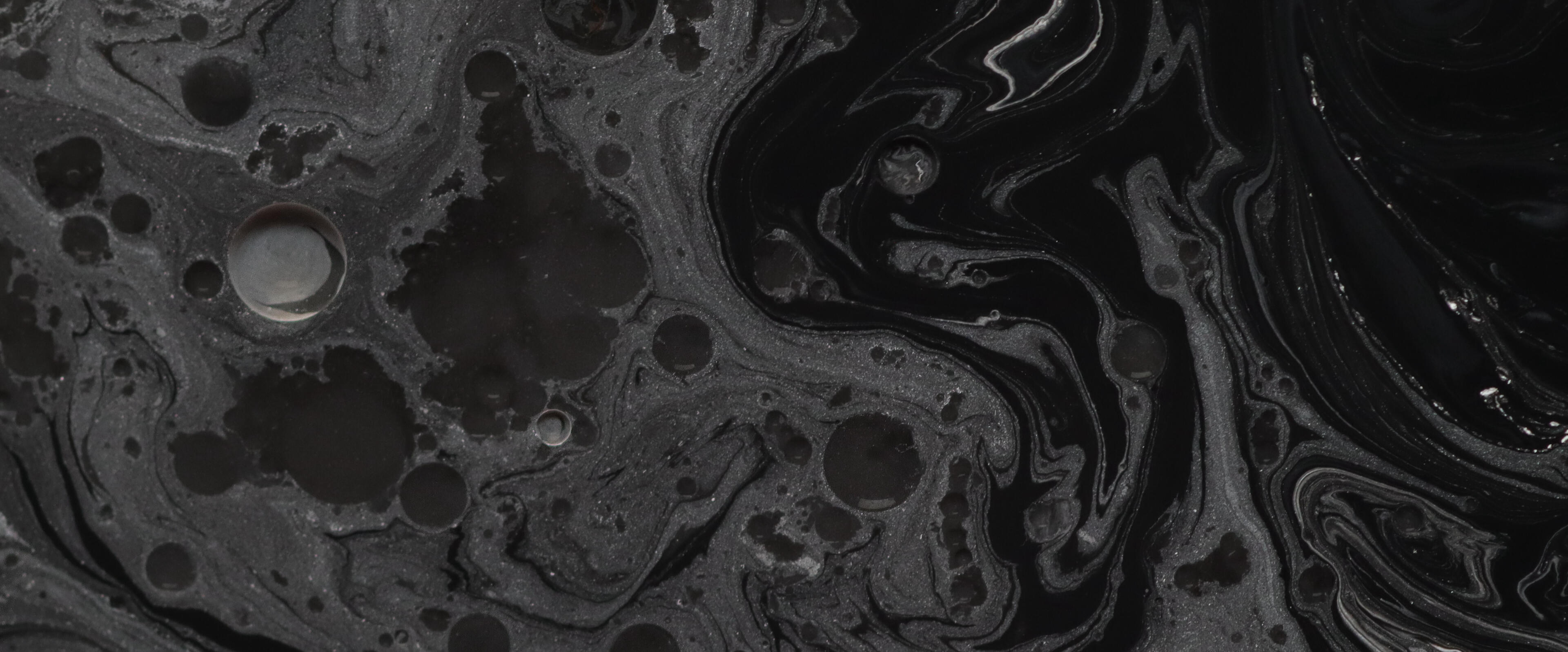
An abstract photograph achieved by mixing various inks and solvents.*Turn device brightness up & click on image for a better viewing experience.